Depositional

A geology puzzle sim

Recreate famous geological events and places across the Earth. Shape a basin over deep time, change it one age at a time, then read about every layer that was deposited.

How to play

Plate I Age 16 in Canyon Country - A Warm Age

The Age Cards

Every card changes the sea, the climate or the land, and the simulation works out what that does to the basin. Nothing is scripted. The same card can have different effects depending on the context.
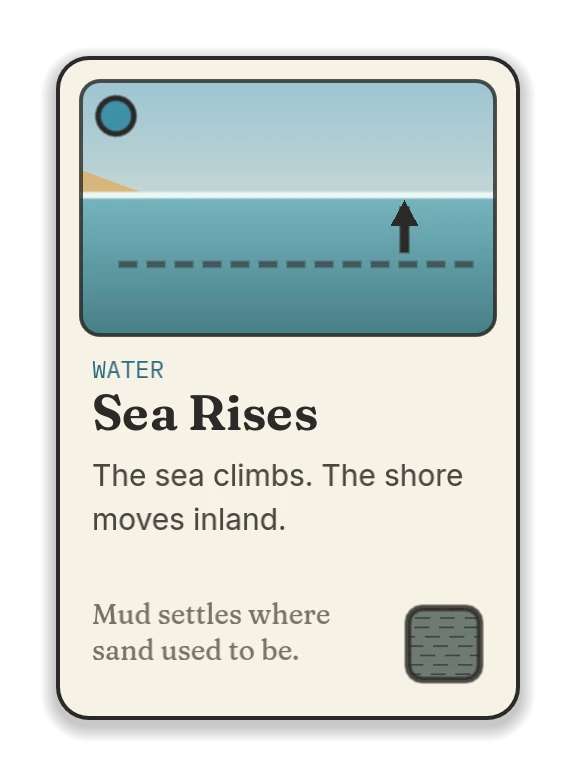
  • Sea Rises, a water card: the sea climbs. The shore moves inland.
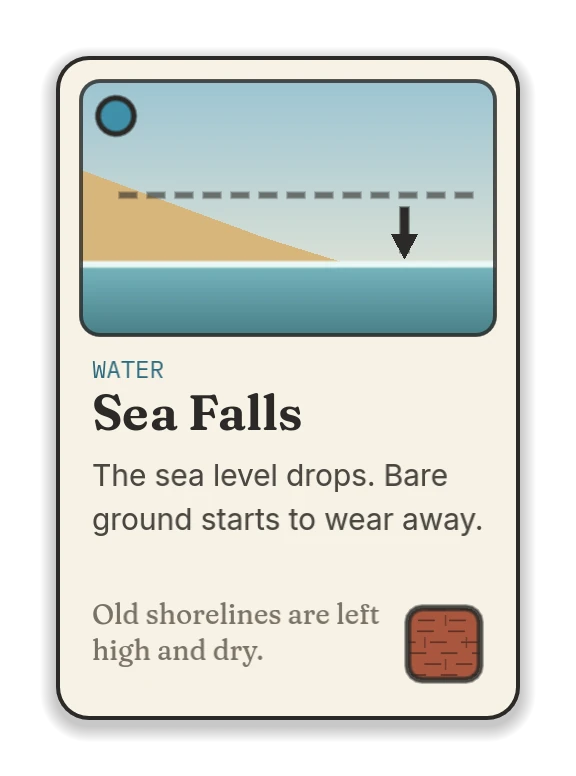
  • Sea Falls, a water card: the sea level drops. Bare ground starts to wear away.
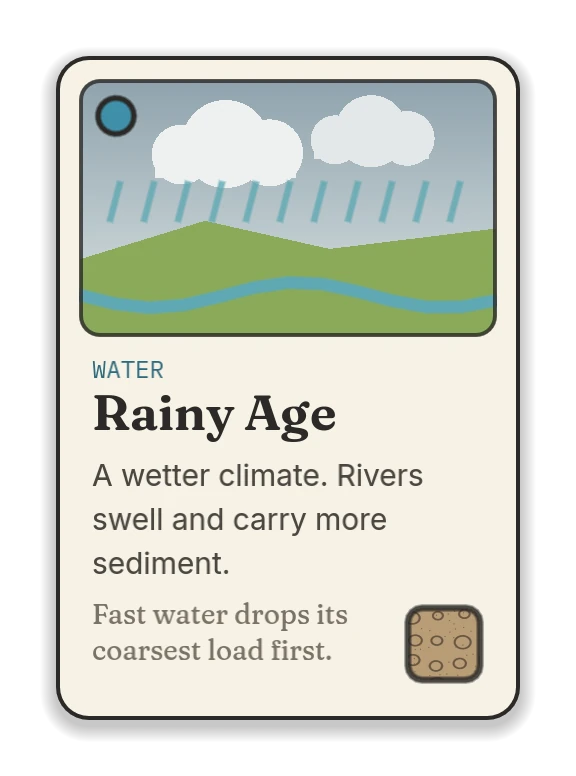
  • Rainy Age, a water card: a wetter climate. Rivers swell and carry more sediment.
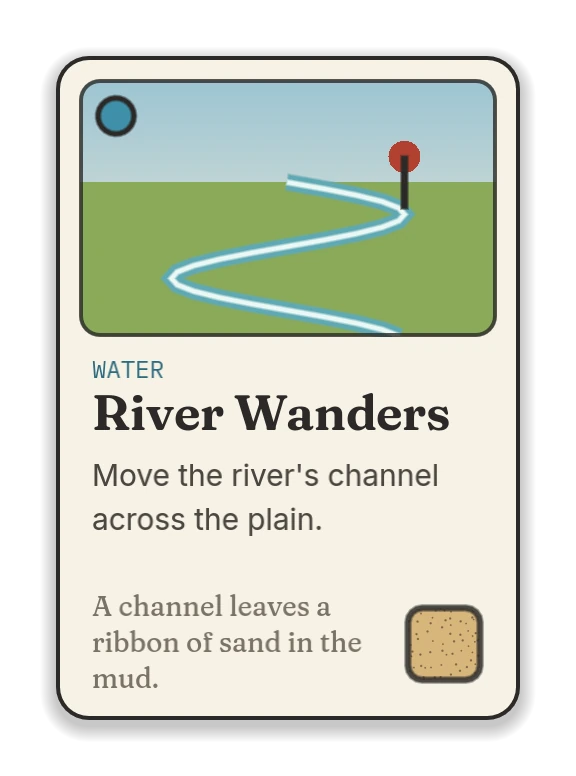
  • River Wanders, a water card: move the river's channel across the plain.
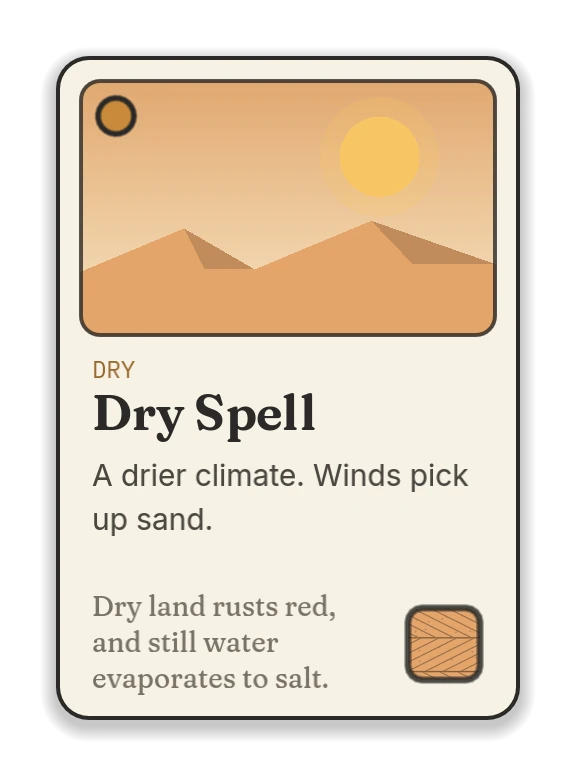
  • Dry Spell, a dry card: a drier climate. Winds pick up sand.
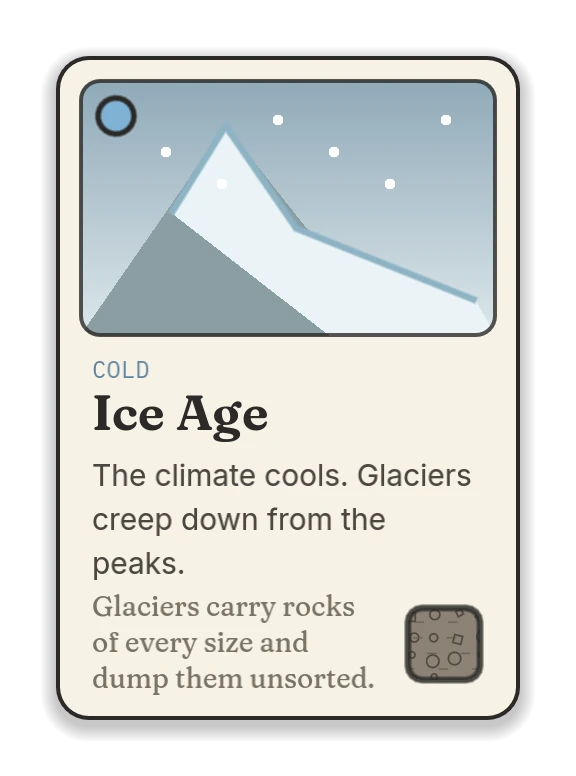
  • Ice Age, a cold card: the climate cools. Glaciers creep down from the peaks.
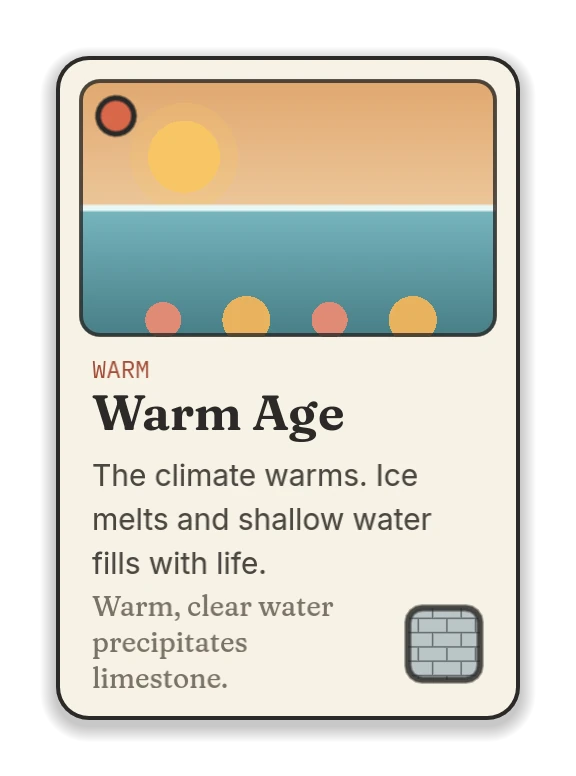
  • Warm Age, a warm card: the climate warms. Ice melts and shallow water fills with life.
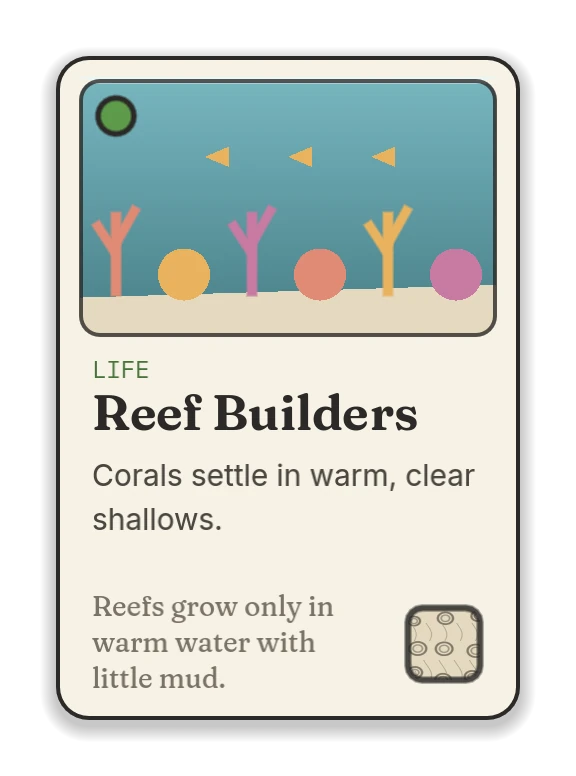
  • Reef Builders, a life card: corals settle in warm, clear shallows.
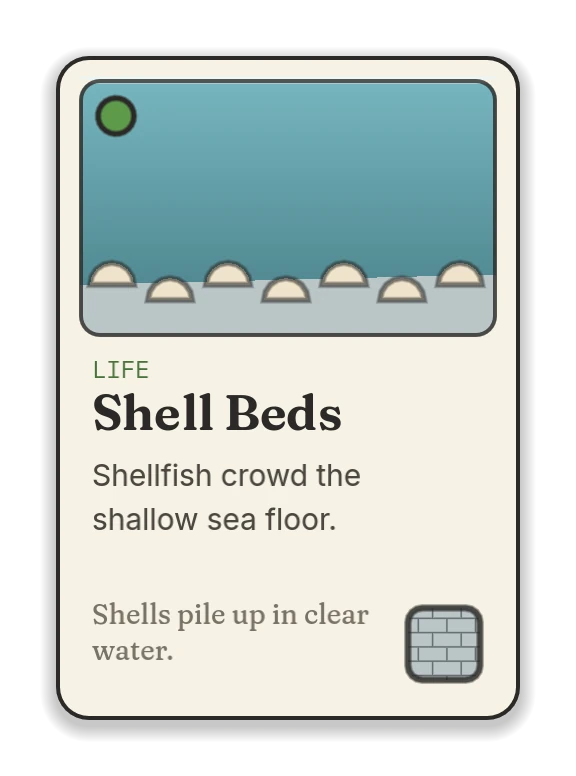
  • Shell Beds, a life card: shellfish crowd the shallow sea floor.
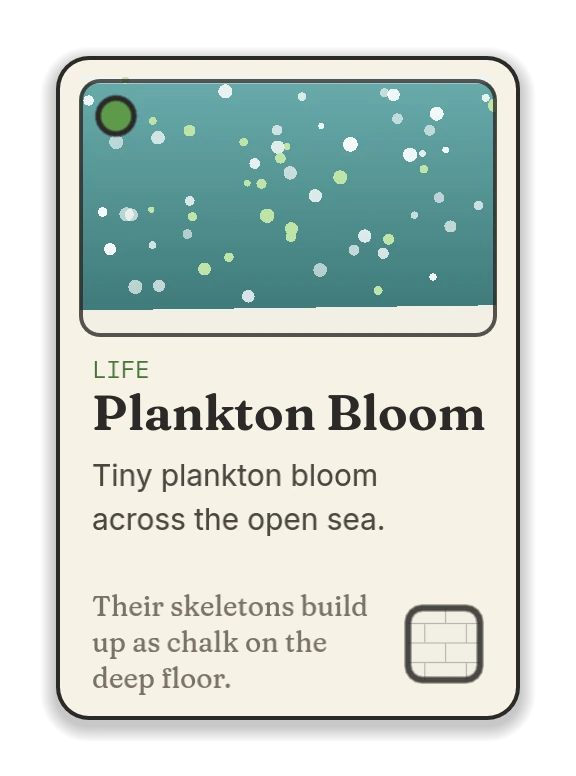
  • Plankton Bloom, a life card: tiny plankton bloom across the open sea.
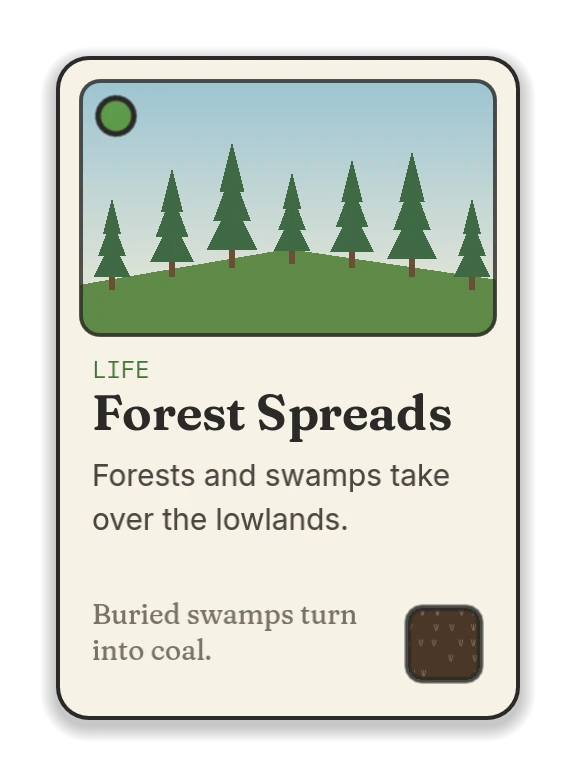
  • Forest Spreads, a life card: forests and swamps take over the lowlands.
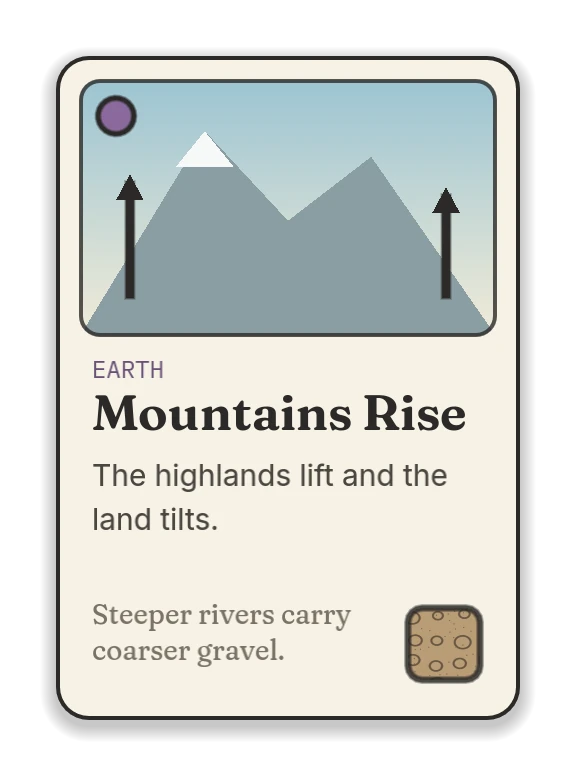
  • Mountains Rise, an earth card: the highlands lift and the land tilts.
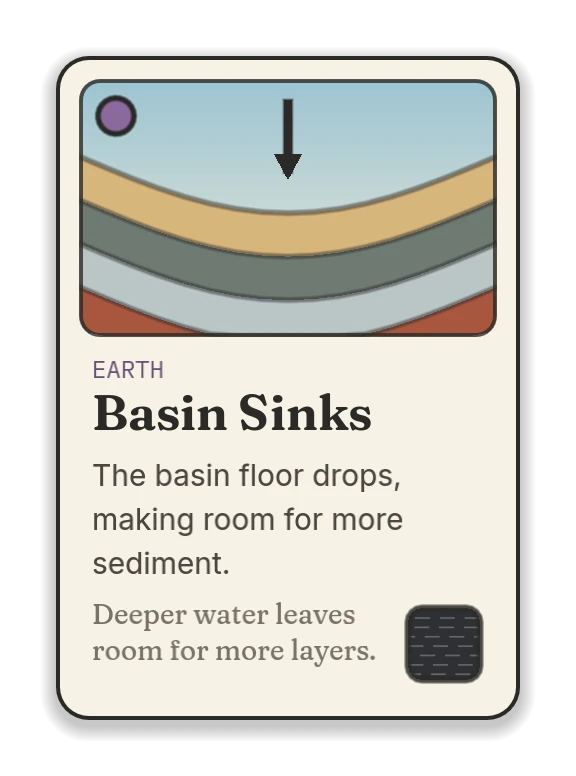
  • Basin Sinks, an earth card: the basin floor drops, making room for more sediment.
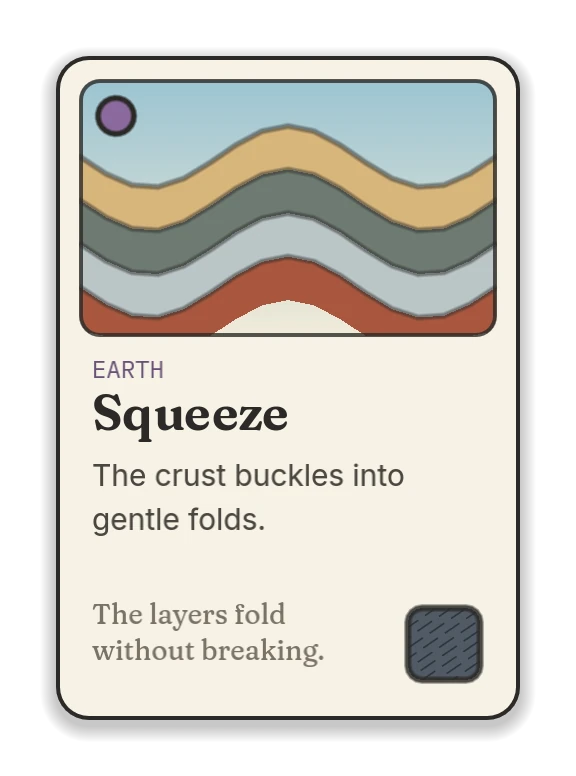
  • Squeeze, an earth card: the crust buckles into gentle folds.
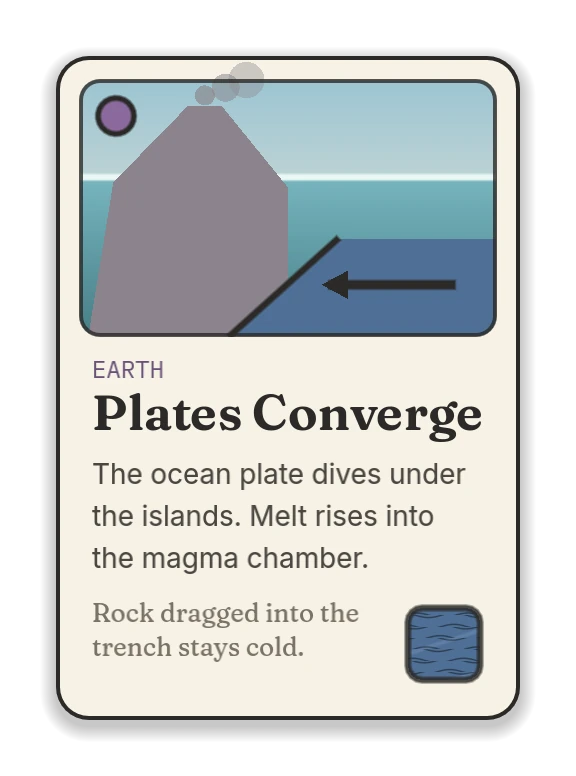
  • Plates Converge, an earth card: the ocean plate dives under the islands. Melt rises into the magma chamber.
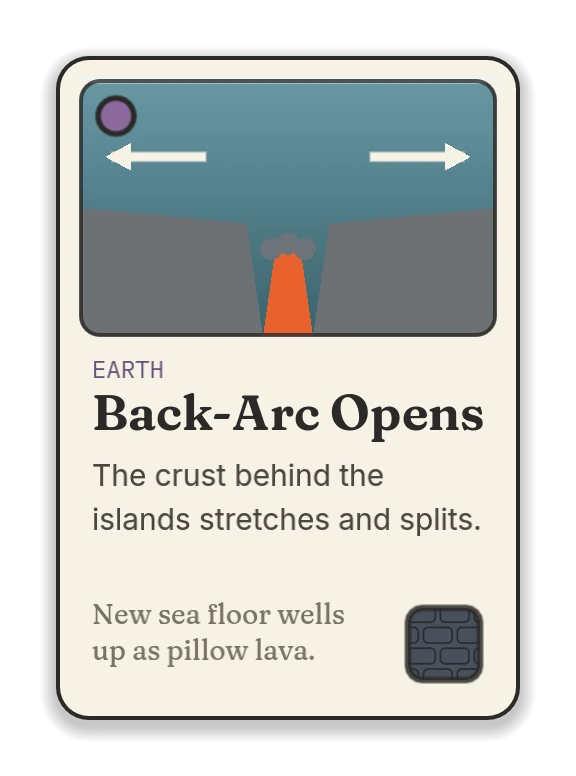
  • Back-Arc Opens, an earth card: the crust behind the islands stretches and splits.
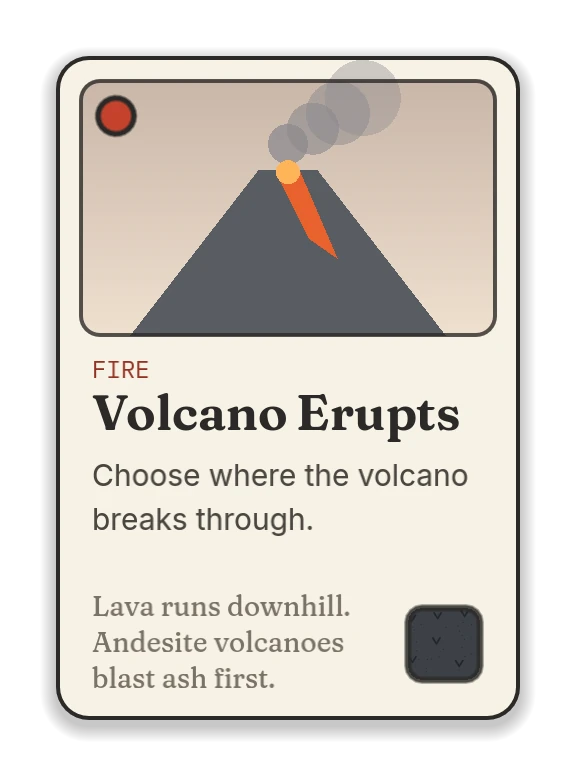
  • Volcano Erupts, a fire card: choose where the volcano breaks through. Lava runs downhill. Andesite volcanoes blast ash first.
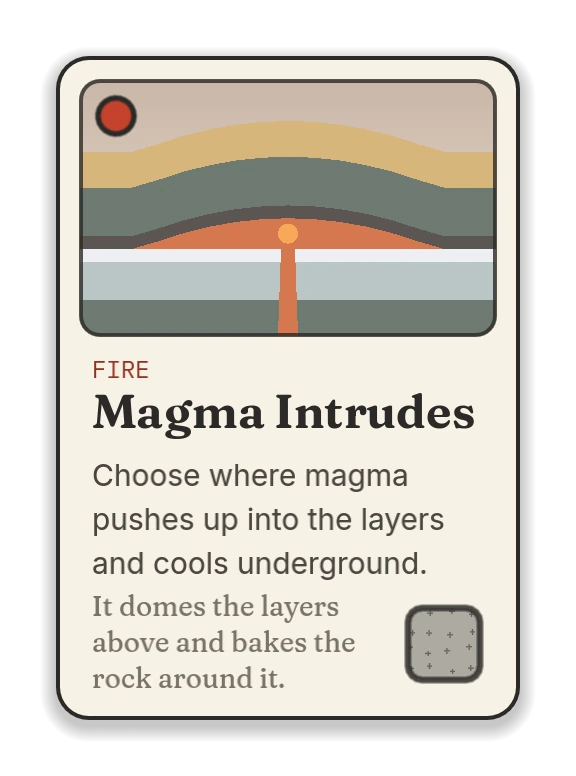
  • Magma Intrudes, a fire card: choose where magma pushes up into the layers and cools underground. It domes the layers above and bakes the rock around it.
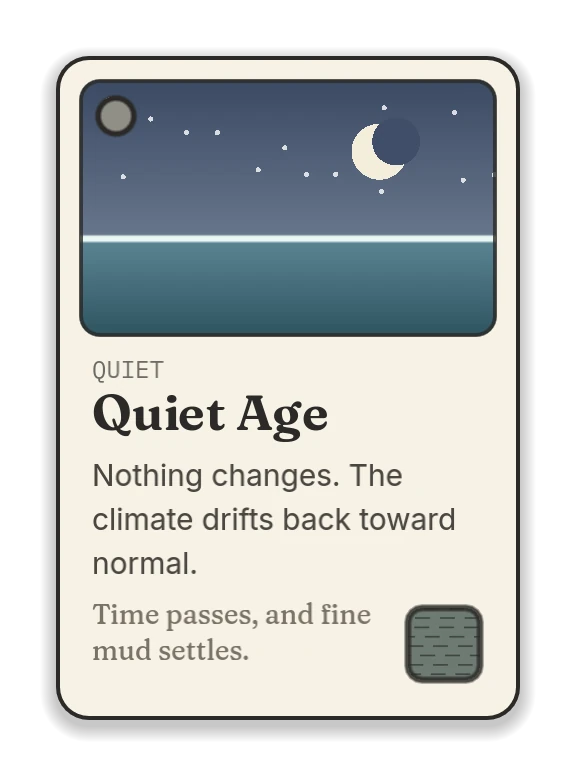
  • Quiet Age, a quiet card: nothing changes. The climate drifts back toward normal.
  • Water
  • Dry
  • Cold
  • Warm
  • Life
  • Earth
  • Fire
  • Quiet

The Rare Cards

Somewhere in every map, a gold card turns up beside the hand. You have three ages to play it. If you let it go, it won't come back. Each one lays a layer that geologists use to match up rocks around the world.
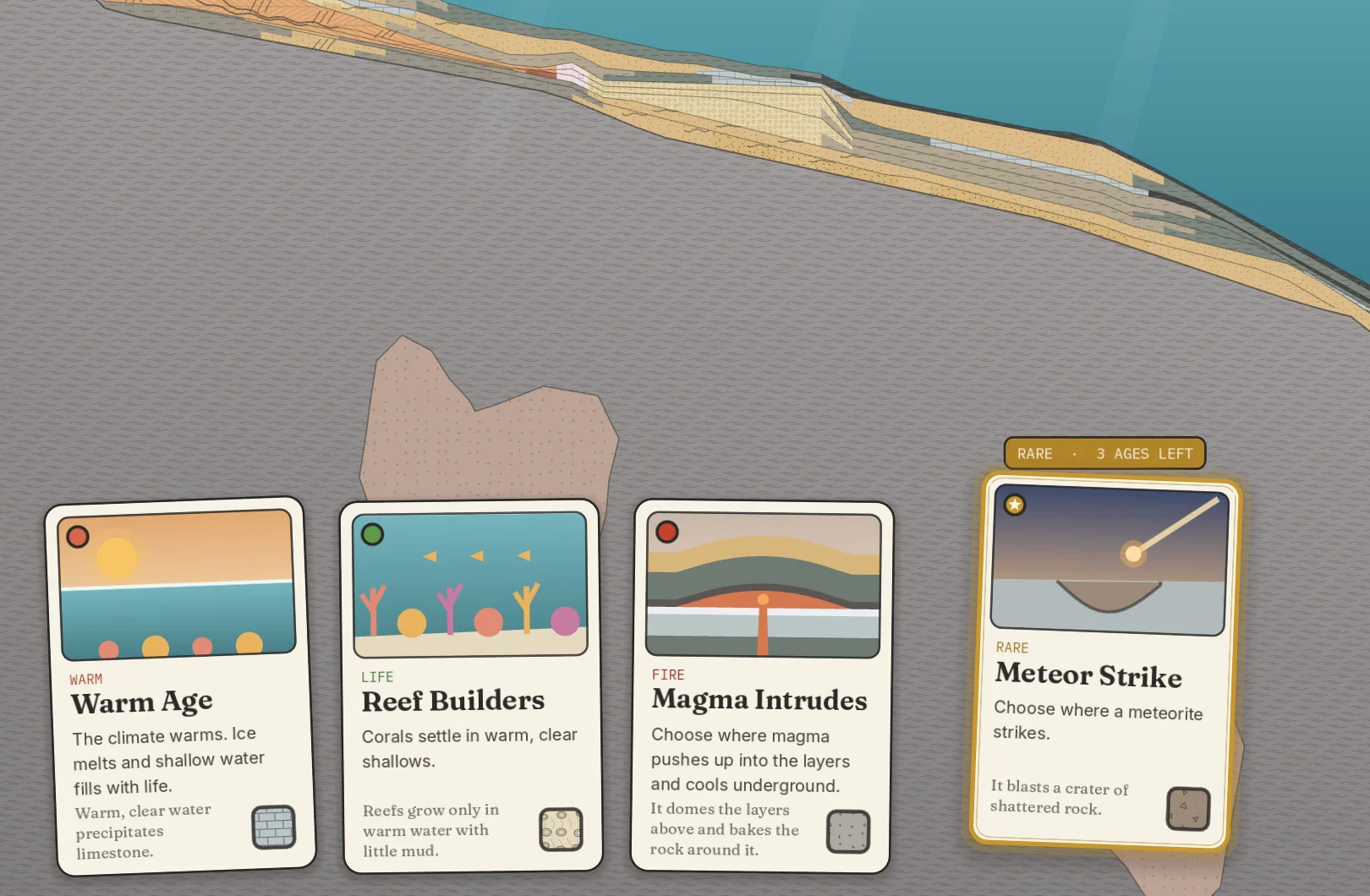
The hand in Canyon Country with a fourth card beside it: Meteor Strike, gilded, lifted, and tagged Rare, 3 ages left.
Plate II Age 9 in Canyon Country: a rare card turns up
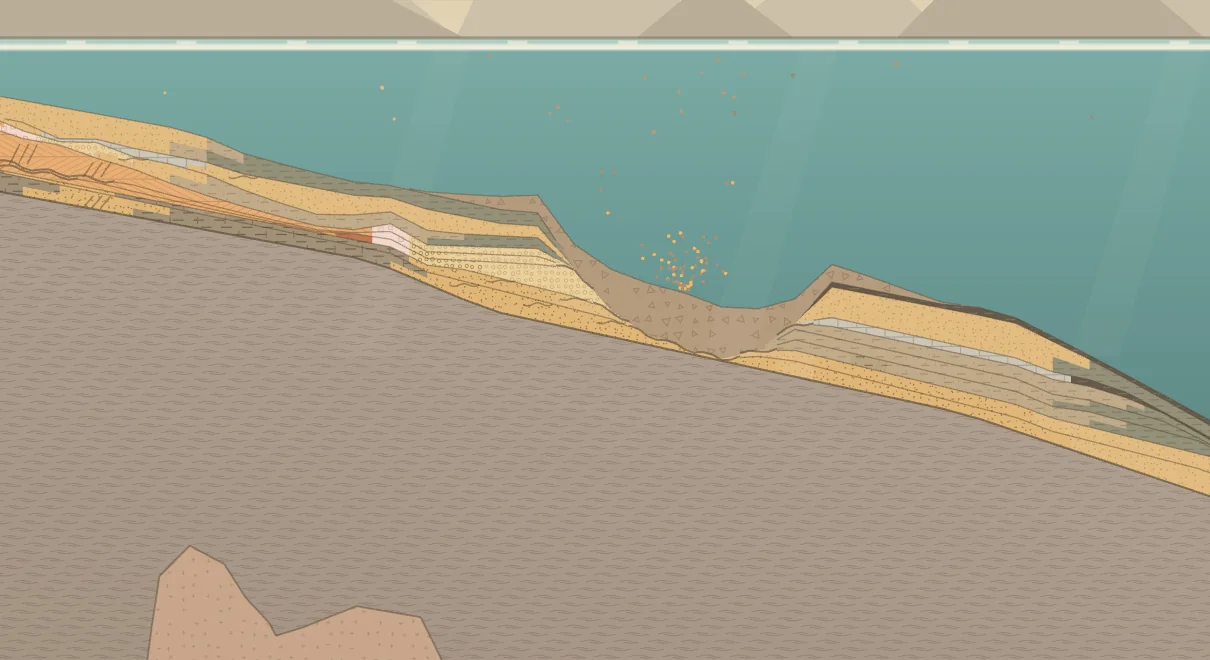
The time-lapse a moment after the meteorite lands: a bowl-shaped crater blasted into the shallow shelf, with shattered rock still flying.
Plate III The meteorite lands and forms a crater in the shelf
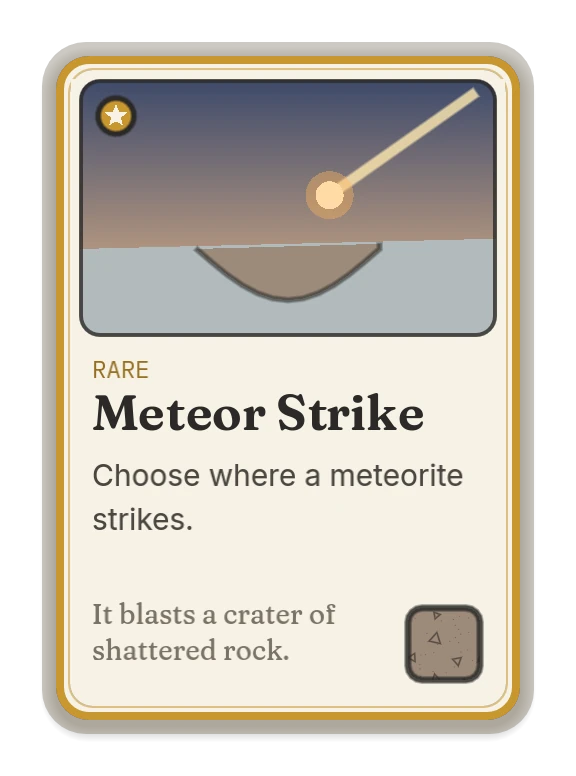
  • Meteor Strike: choose where a meteorite strikes. It blasts a crater of shattered rock.

    Canyon Country

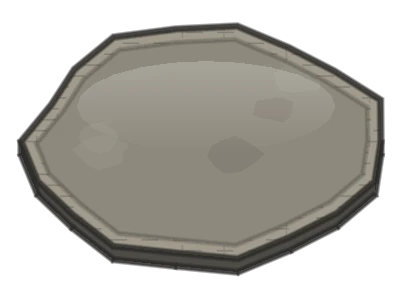
    Impact breccia

    Meteor Crater, Arizona
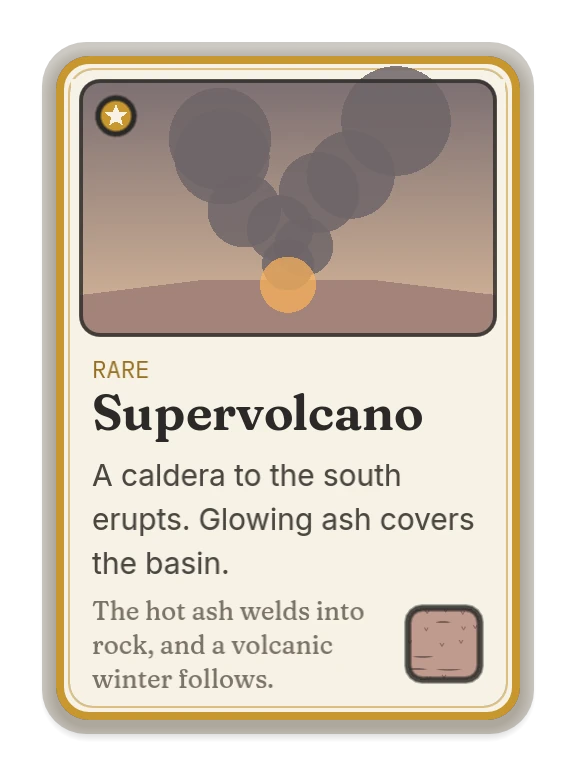
  • Supervolcano: a caldera to the south erupts. Glowing ash covers the basin. The hot ash welds into rock, and a volcanic winter follows.

    Glacial Lake

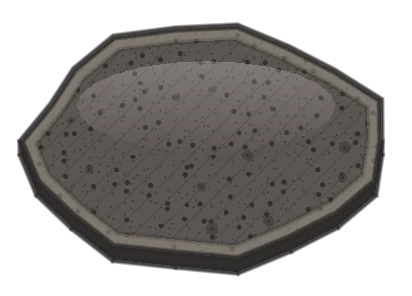
    Welded tuff

    The Bishop Tuff, California
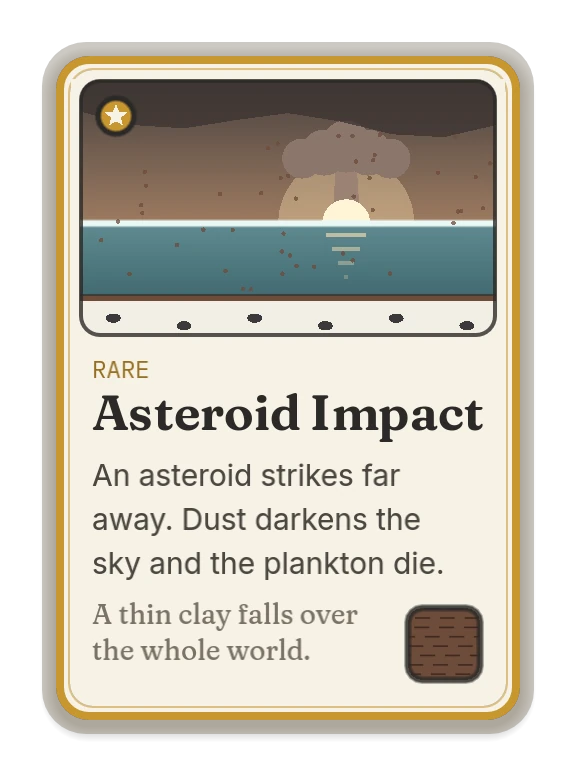
  • Asteroid Impact: an asteroid strikes far away. Dust darkens the sky and the plankton die. A thin clay falls over the whole world.

    A Chalky Sea

    Boundary clay

    Stevns Klint, Denmark
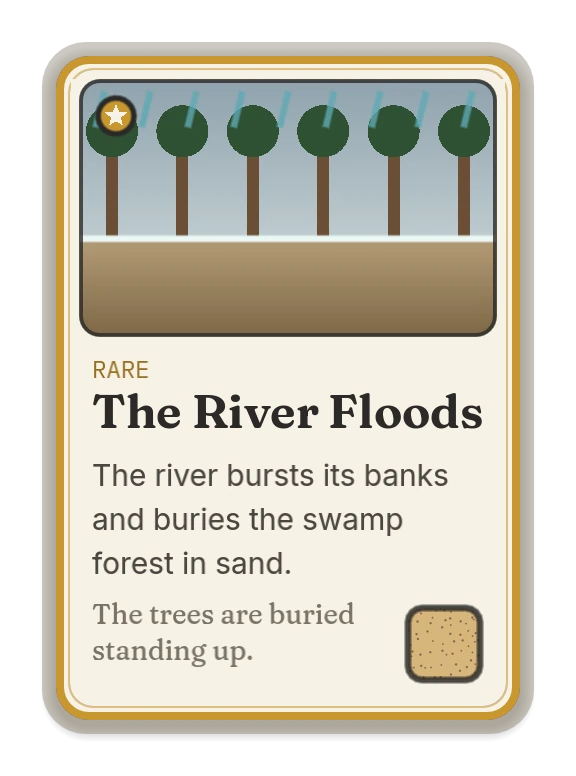
  • The River Floods: the river bursts its banks and buries the swamp forest in sand. The trees are buried standing up.

    Coal Swamp

    Trees buried standing

    Joggins, Nova Scotia
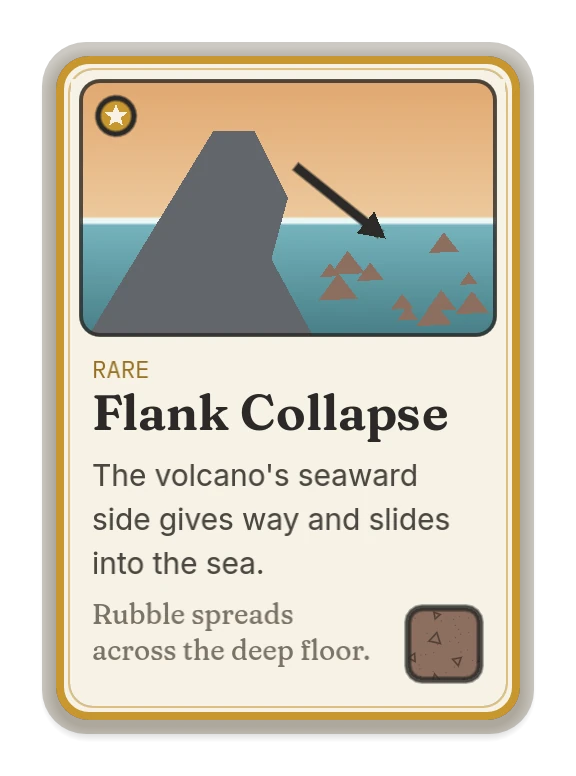
  • Flank Collapse: the volcano's seaward side gives way and slides into the sea. Rubble spreads across the deep floor.

    Volcanic Island

    Landslide rubble

    The Nuuanu slide, Hawaii
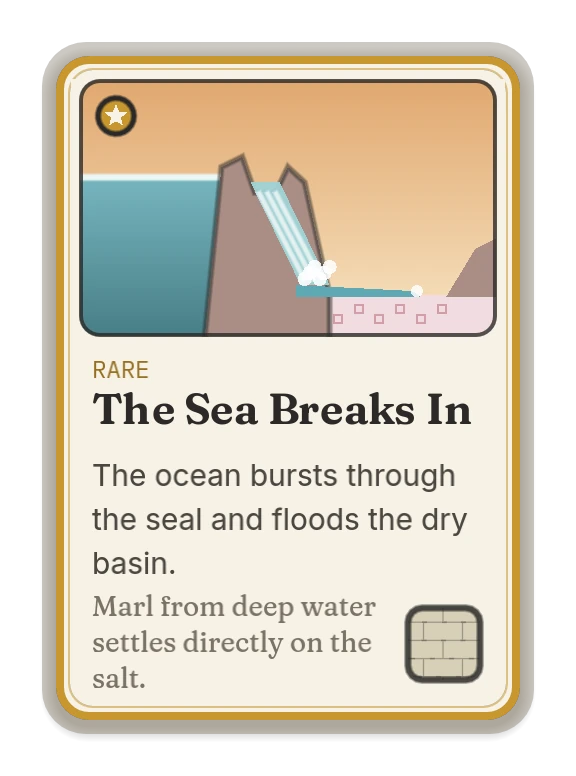
  • The Sea Breaks In: the ocean bursts through the seal and floods the dry basin. Marl from deep water settles directly on the salt.

    Salt Basin

    Marl on salt

    The Trubi marl, Sicily
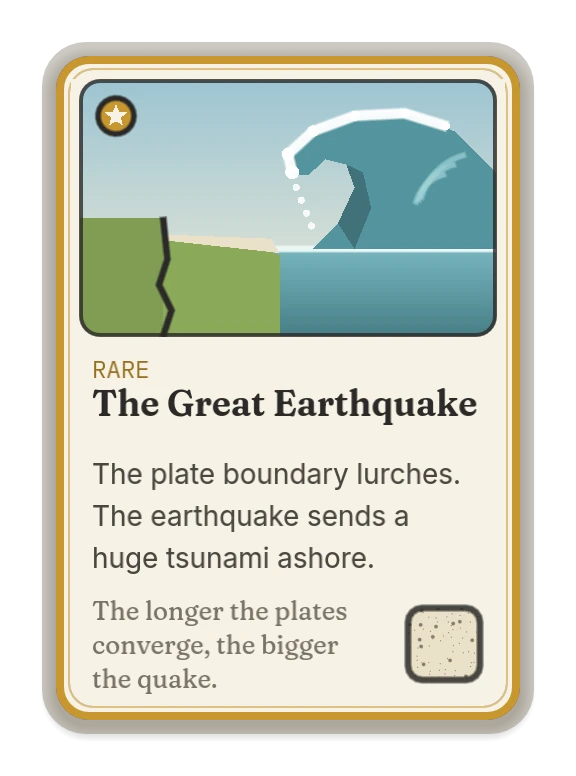
  • The Great Earthquake: the plate boundary lurches. The earthquake sends a huge tsunami ashore. The longer the plates converge, the bigger the quake.

    Island Arc

    Tsunami sand

    Cascadia, January 1700

Eight more in the full game
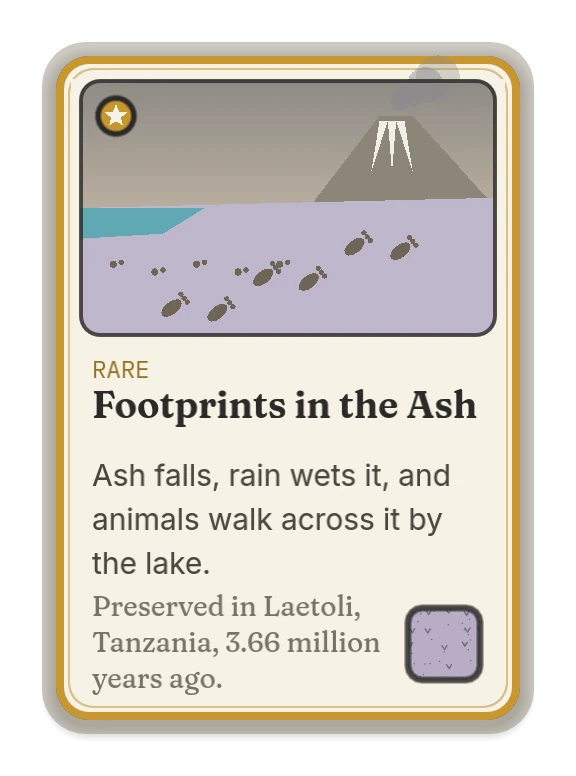
  • Footprints in the Ash: ash falls, rain wets it, and animals walk across it by the lake. Preserved in Laetoli, Tanzania, 3.66 million years ago.

    The Rift

    Footprints in ash

    Laetoli, Tanzania
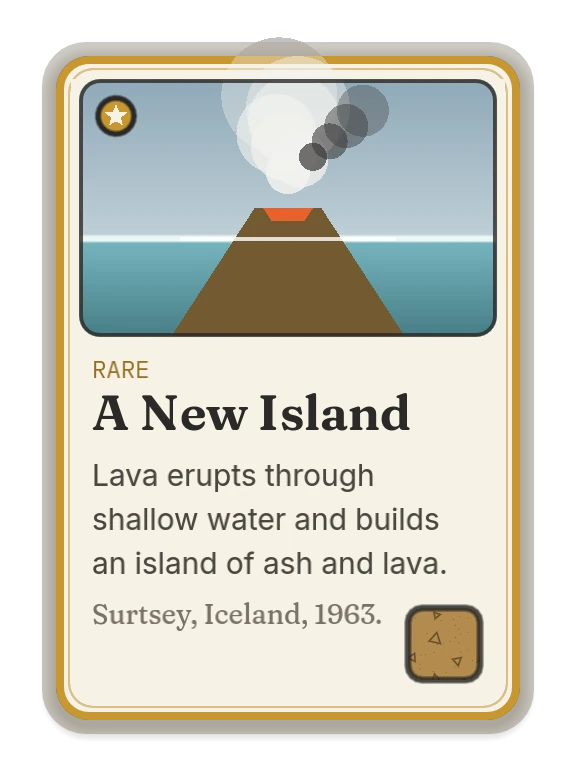
  • A New Island: lava erupts through shallow water and builds an island of ash and lava. Surtsey, Iceland, 1963.

    The Ridge

    Hyaloclastite

    Surtsey, Iceland, 1963
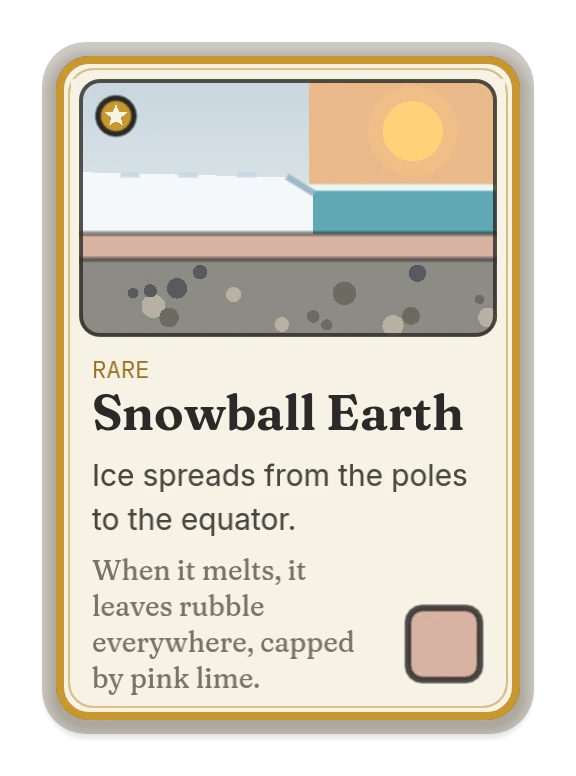
  • Snowball Earth: ice spreads from the poles to the equator. When it melts, it leaves rubble everywhere, capped by pink lime.

    Early Earth

    Cap carbonate

    The Flinders Ranges, Australia
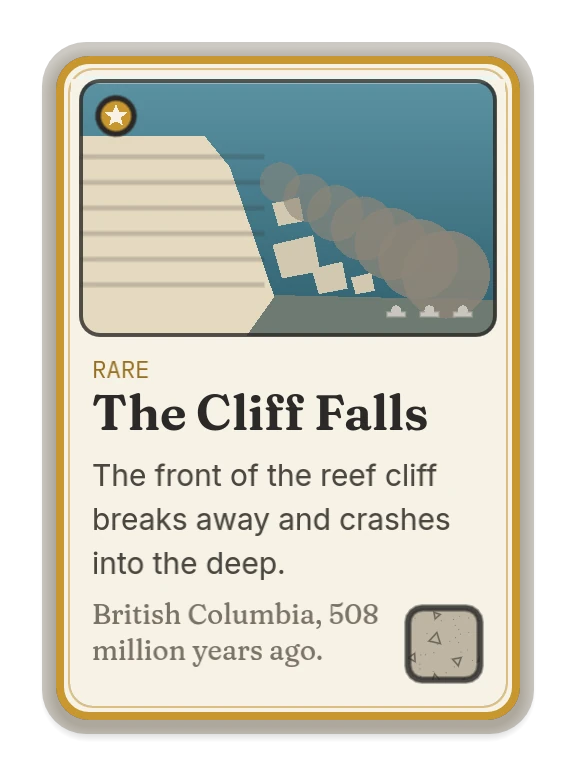
  • The Cliff Falls: the front of the reef cliff breaks away and crashes into the deep. British Columbia, 508 million years ago.

    The Burgess Shale

    Megabreccia

    The Cathedral Escarpment, Canada
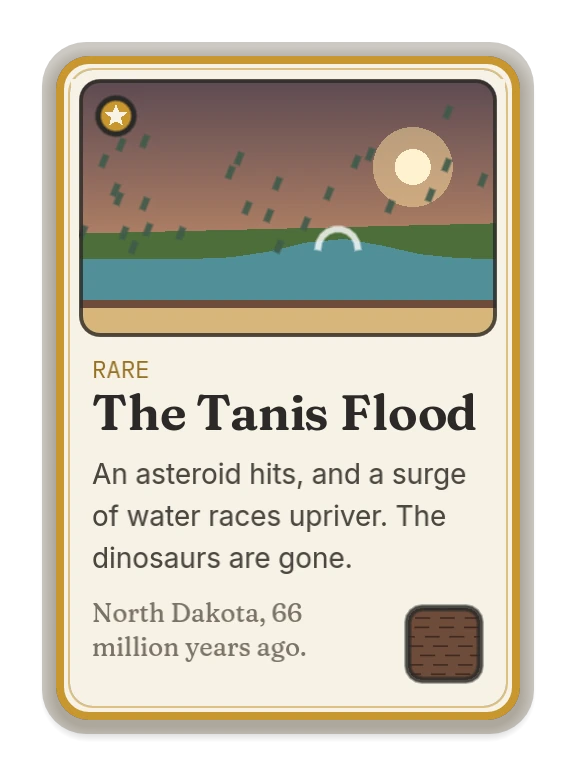
  • The Tanis Flood: an asteroid hits, and a surge of water races upriver. The dinosaurs are gone. North Dakota, 66 million years ago.

    Dinosaur Badlands

    Impact spherules

    Tanis, North Dakota
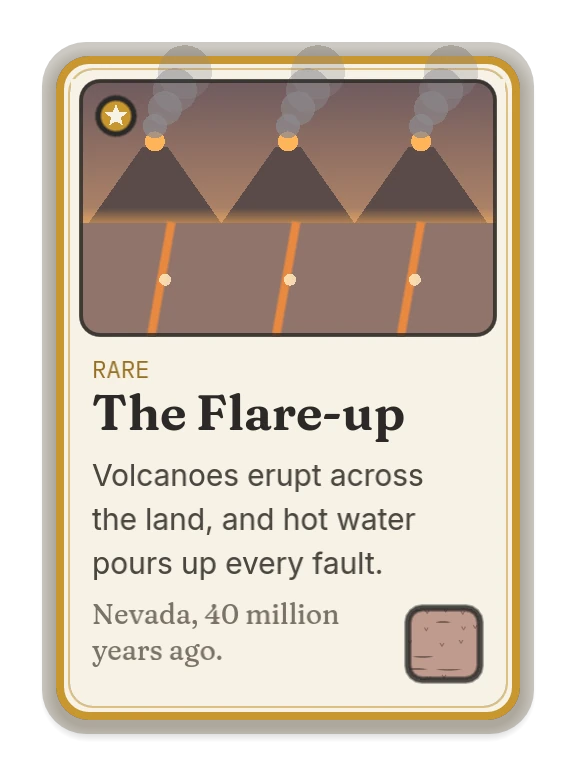
  • The Flare-up: volcanoes erupt across the land, and hot water pours up every fault. Nevada, 40 million years ago.

    Gold Country

    Welded tuff

    Nevada, 40 million years ago
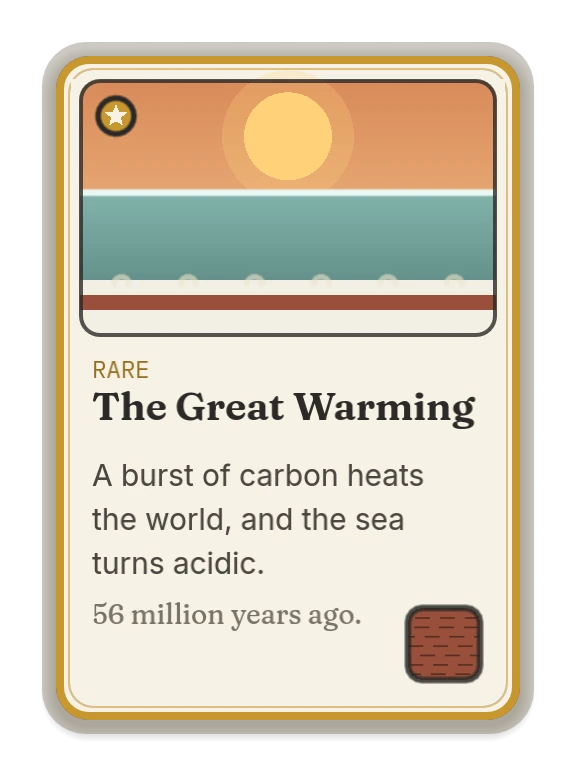
  • The Great Warming: a burst of carbon heats the world, and the sea turns acidic. 56 million years ago.

    Proven Reserves

    Red clay

    Walvis Ridge, 56 million years ago
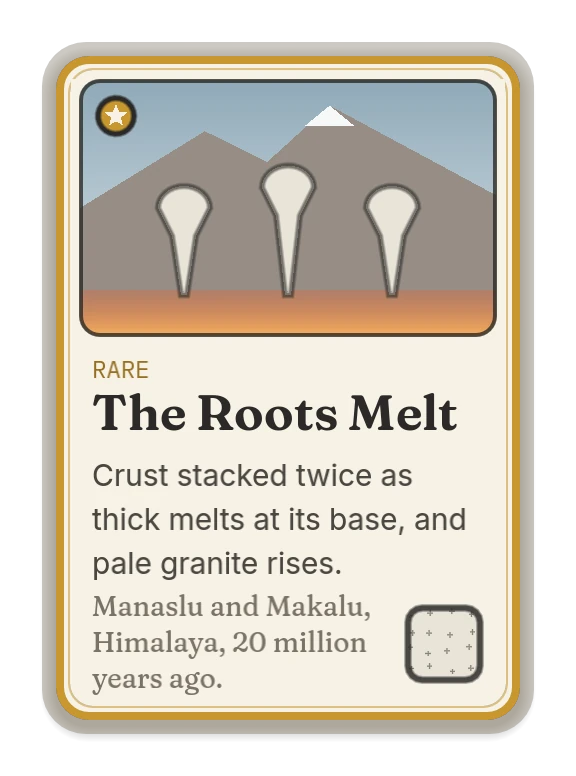
  • The Roots Melt: crust stacked twice as thick melts at its base, and pale granite rises. Manaslu and Makalu, Himalaya, 20 million years ago.

    The Collision

    Leucogranite

    Manaslu and Makalu, Himalaya

The Rules

The simulation follows the same rules that geologists have developed to make sense of real rocks, and you will pick them up as they did, by watching sediment pile up, become rocks, and asking why.
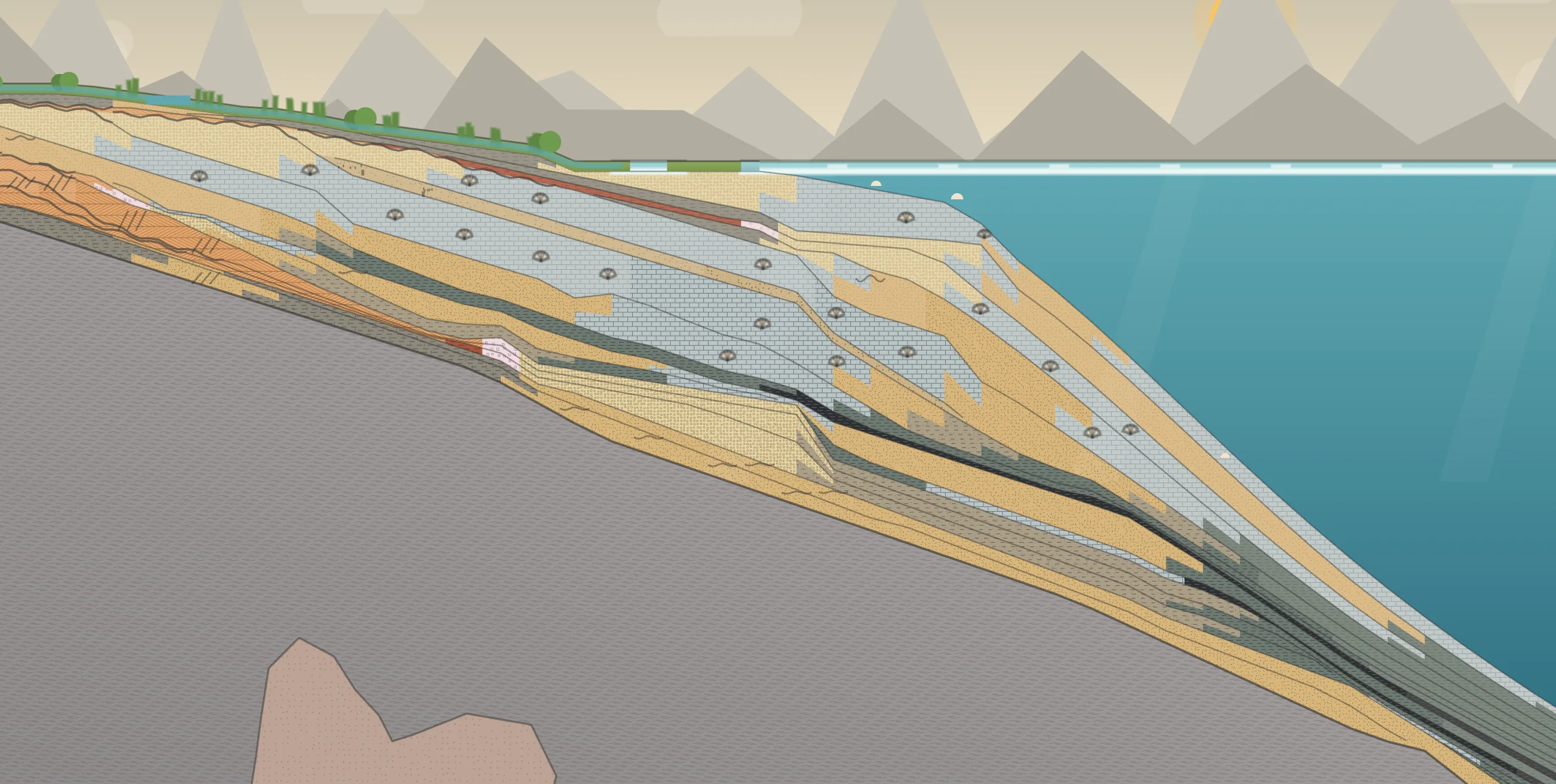
A cross-section through Canyon Country after fifteen ages: orange dune sandstone by the mountains, a thin red mudstone and a pink evaporite, gray limestone full of fossil shells, sandstone with ripple marks, and dark shale down the slope into deep water.
Plate IV A section through Canyon Country after fifteen ages. The rock types are shown in the patterns geologists use
  1. Dune sandstone. Wind piled the sand into dunes during a dry spell forming the sloping cross-beds as evidence.
  2. Red mudstone. Floodplain mud, rusted red while it lay open to the air.
  3. Evaporite. A shallow lagoon that dried away and left salt behind.
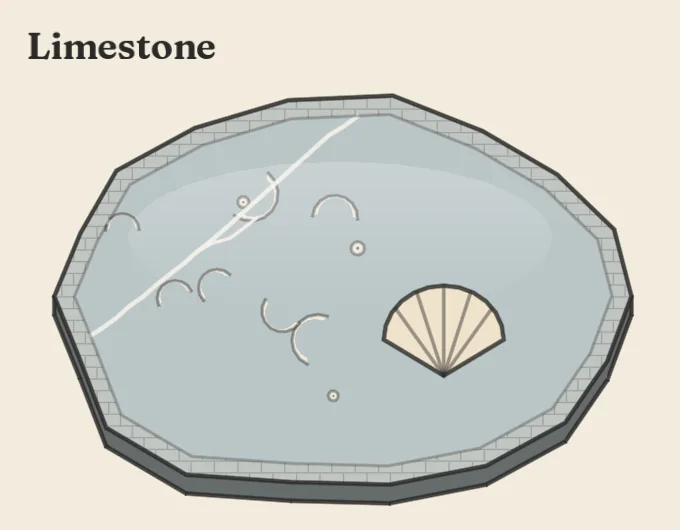
  4. Limestone with fossil shells. Warm, clear shallows with lots of lively creatures.
  5. Sandstone with ripple marks. A sandy shore, rippled by waves.
  6. Shale. Mud that settled out in deeper, quieter water.

Some more concepts

  • Rivers sort their sediment. They drop gravel by the mountains, sand at the shore and mud offshore.
  • Warm, clear shallows grow limestone. Too much mud and the fragile life can't keep up.
  • A rising sea stacks sand, then mud, then lime. The Grand Canyon's Tonto Group is that sequence. Can you rebuild it?
  • Harder rock resists erosion while soft rock wears away. Limestone and sandstone hold up steps and cliffs, while shale and salt weather away first.
  • Earthquakes break rocks. A fault drops one side down a sloping plane, causing an underwater avalanche to deposit a graded bed.
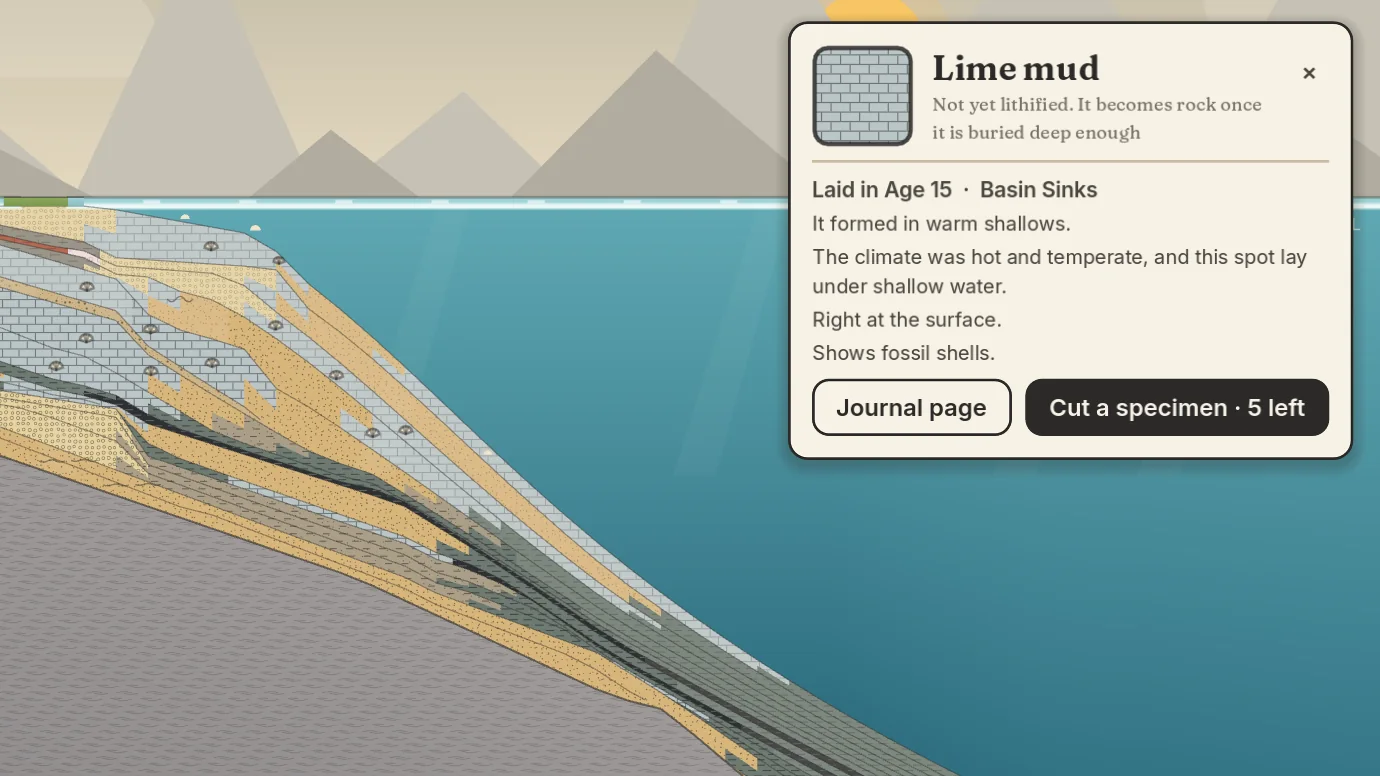
The inspect card for a layer of lime mud: not yet lithified, it becomes rock once buried deep enough. Laid in Age 15 in warm shallows, right at the surface, with fossil shells.
Tap any layer to read about it. This one isn't lithified yet.

Burial, heat and pressure

Buried deep enough, loose sediment lithifies into rock. As it gets deeper and hotter, the rock goes through changes. Rocks next to magma are baked. A warm glow marks rock that is still changing. In a trench, where one plate dives under another, rock is squeezed hard but doesn't get as hot, so what happens then?
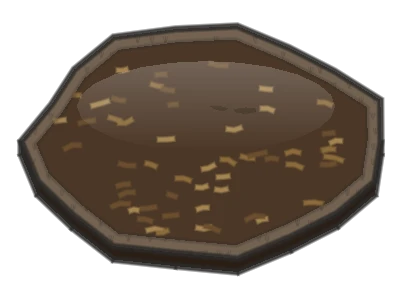
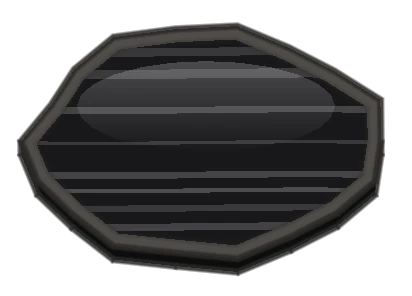
  • Peat
    burial
    Coal
    heat
    Anthracite
    heat
    Graphite
  • Shale
    heat
    Slate
    heat
    Schist
    heat
    Gneiss
  • Trench sand
    scraped
    Mélange
    squeezed
    Blueschist
    deeper
    Eclogite
  • Limestone
    heat
    Marble
  • Sandstone
    heat
    Quartzite
  • Mudstone
    magma
    Hornfels

The chains shown: peat is buried into coal, then heated into anthracite and graphite. Shale heats into slate, then schist, then gneiss. In a trench, sediment scraped off the sinking plate shears into mélange, is squeezed into blueschist, and deeper still becomes eclogite. Limestone heats into marble. Sandstone heats into quartzite. Mudstone beside magma bakes into hornfels.

The End of a Record

Plate V Twenty-four ages in Canyon Country, saved as a postcard

You can finish a map at age 10, and at age 24 the game ends. The view pulls back over the whole section, with the oldest rock at the bottom and youngest on top (usually).

You can keep it as a postcard for your cabinet.

Open the postcard again any time to explore the section. Pan across it, read about its layers and cut the specimens you missed.
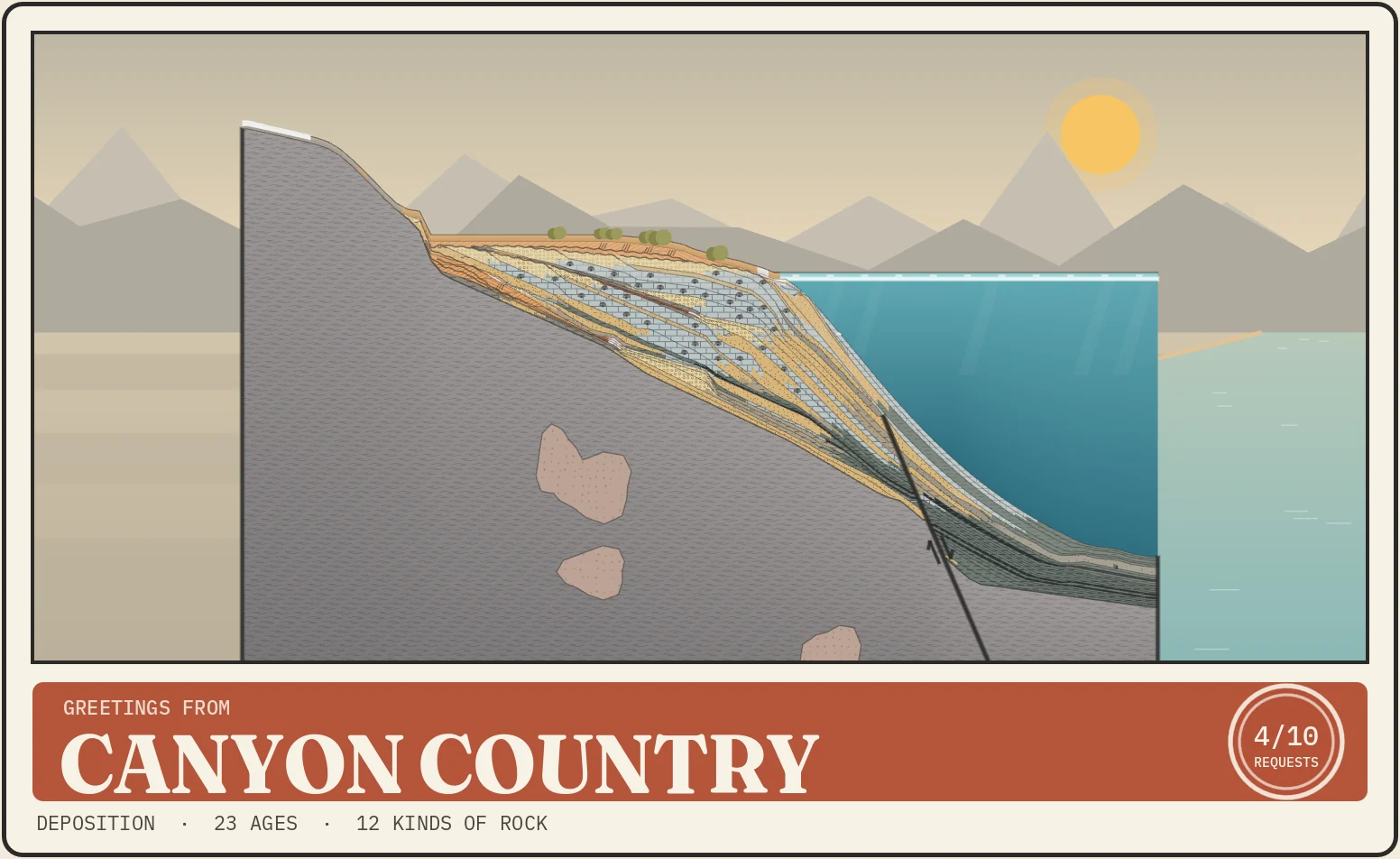
The postcard from that same map: Greetings from Canyon Country, the whole section framed, with four of ten requests stamped.

The Places

Each location has its own bedrock, climate, deck of cards, and ten challenges from the museum, from easy to hard. Finish a place to unlock the next one.
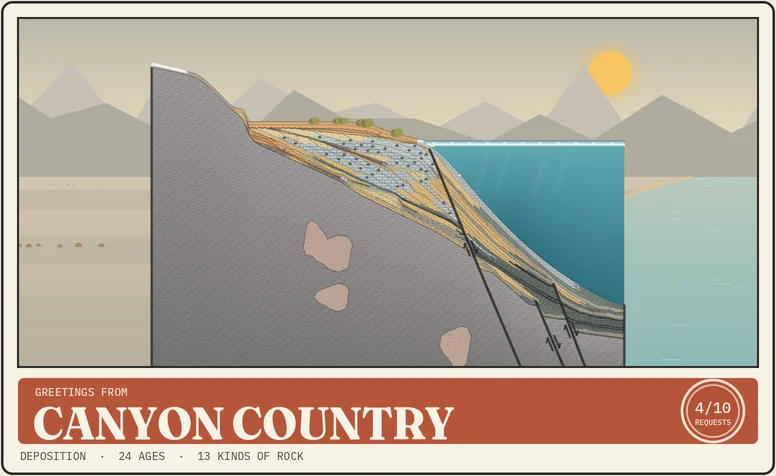
  • Postcard from Canyon Country

    No. 1 · Schist basement

    Canyon Country

    A warm sea meets a dry red land

    A warm sea laps against a dry, red land. Sand, shale and limestone stack up here like the layers of the Grand Canyon.
    • Rebuild the Tonto Group
    • Red beds
    • The Grand Canyon wall
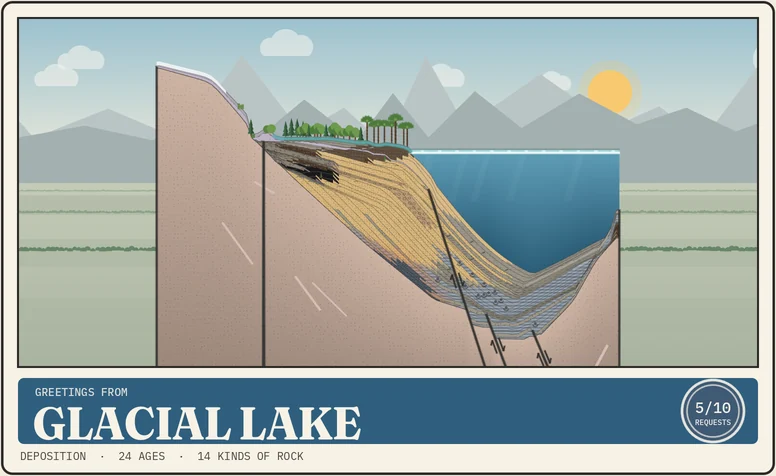
  • Postcard from the Glacial Lake

    No. 2 · Granite basement

    Glacial Lake

    A cold lake in a granite basin

    A deep, cold lake in a basin of granite, fed by glaciers. Faults drop the floor of the basin, and a volcano erupts to the north.
    • Stones from the ice
    • The burning cloud
    • A table mountain
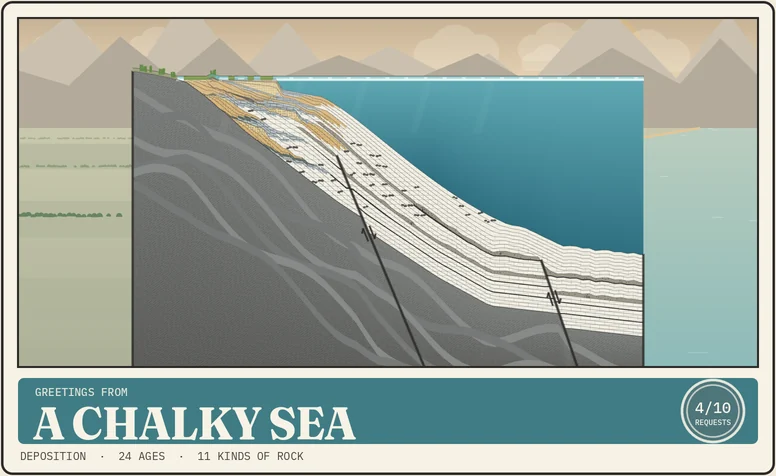
  • Postcard from A Chalky Sea

    No. 3 · Slate basement

    A Chalky Sea

    Deep, warm and calm

    A warm, deep, quiet sea far from any mountains. Plankton rain slowly onto the floor.
    • White cliffs
    • Dust on the chalk
    • The end of an era
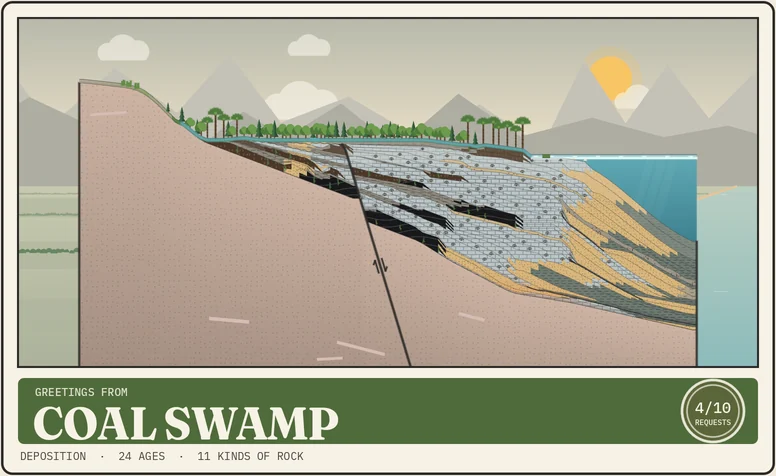
  • Postcard from Coal Swamp

    No. 4 · Granite basement

    Coal Swamp

    Steamy lowlands by a restless sea

    Steamy lowlands where forests grow right down to the water as sea levels rise and fall.
    • A seam worth mining
    • Trees still standing
    • Two cyclothems
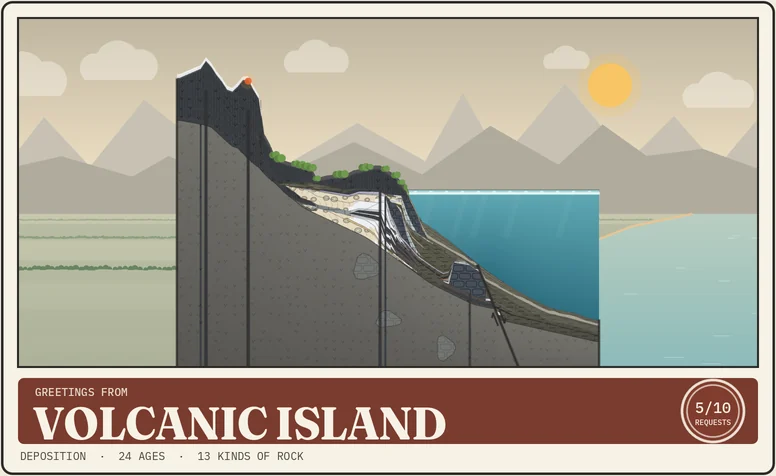
  • Postcard from Volcanic Island

    No. 5 · Basalt basement

    Volcanic Island

    Fire under a tropical sea

    A young volcano rising out of a warm sea, slowly sinking as it cools, which is how coral atolls begin.
    • Pillows from the deep
    • Surtsey
    • An atoll
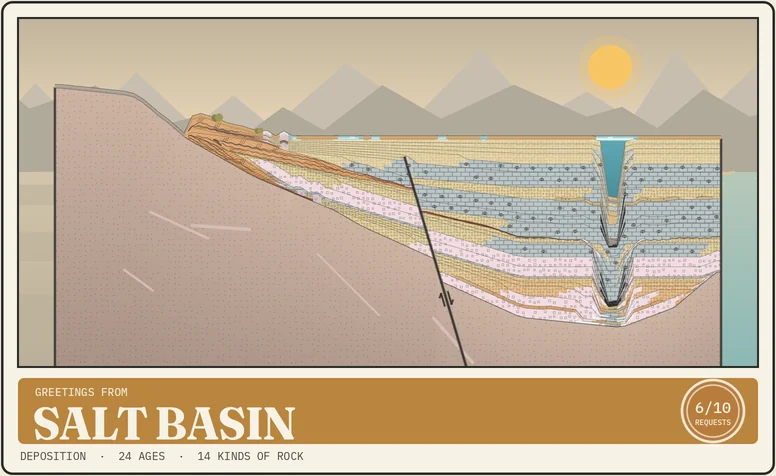
  • Postcard from Salt Basin

    No. 6 · Granite basement

    Salt Basin

    A hot sea cut off from the ocean

    A hot basin walled off from the ocean by a rocky sill. Seawater spills in over the sill and dries away.
    • A salt mine
    • The sea breaks in
    • The Zechstein
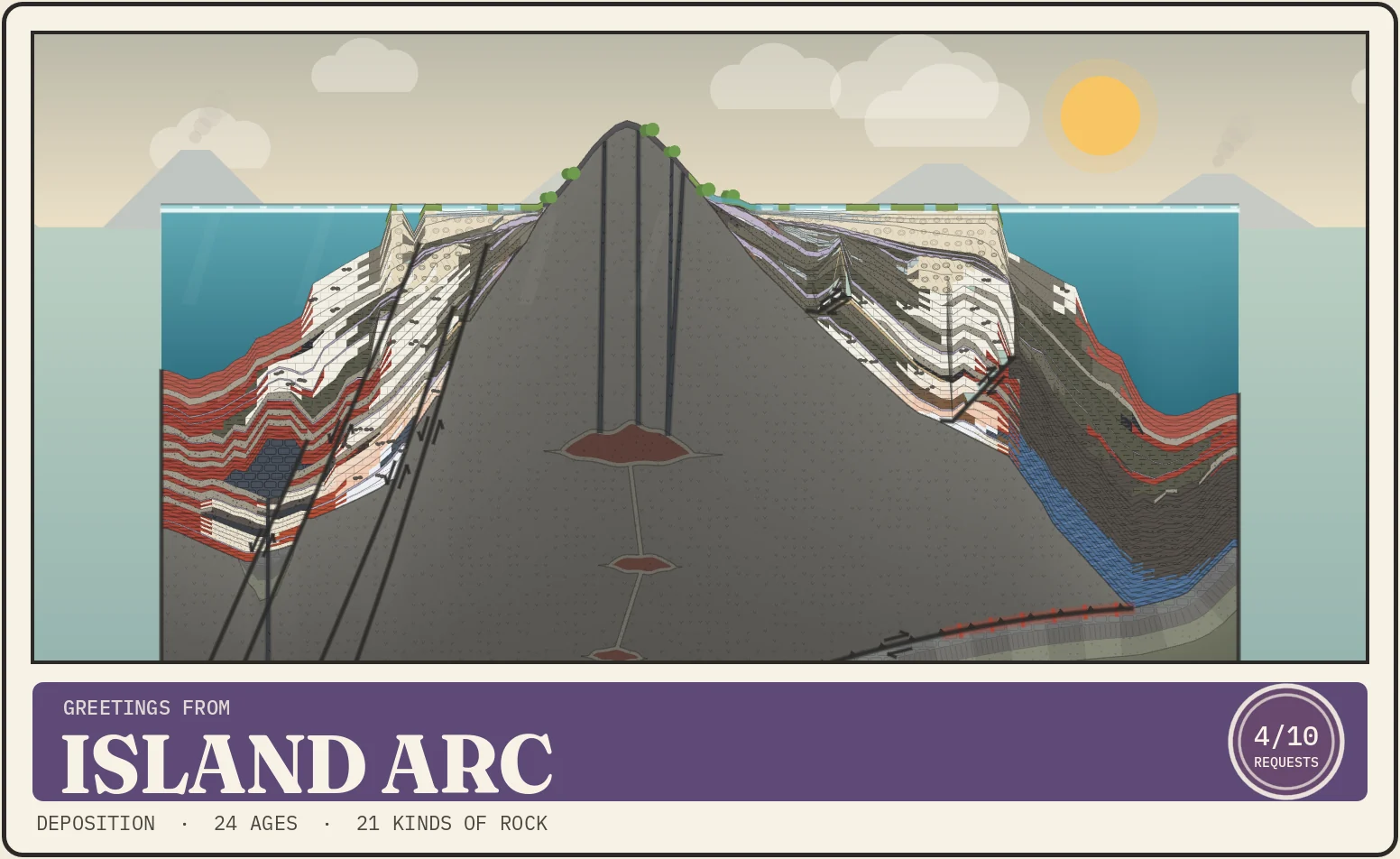
  • Postcard from the Island Arc: a volcano in the middle of the section, a basin of red chert behind it, and a trench of blue rock in front.

    No. 7 · Basalt basement

    Island Arc

    Where one plate dives under another

    A chain of volcanoes over a plate that dives into a deep trench, with a young sea opening behind them, like the Marianas. Thrust faults stack old rock on young, and rock dragged down the trench is squeezed cold into blueschist.

    • Blue rocks from the trench
    • A stack of thrusts
    • From the roots of the trench
  • Sandbox

    You have access to every card, the rare ones included, for up to a hundred ages, with dials for the sea and the climate. Start on any landscape and basement rock of your choice.

The Full Game

Follow the plates from a continent tearing apart to two continents meeting, go back to early Earth, and hunt for gold in Northern Nevada and oil in the North Sea. Each location has its own way of working, finds that turn up nowhere else, new age cards, a rare card and ten more challenges. The sandbox is expanded with the additional cards.
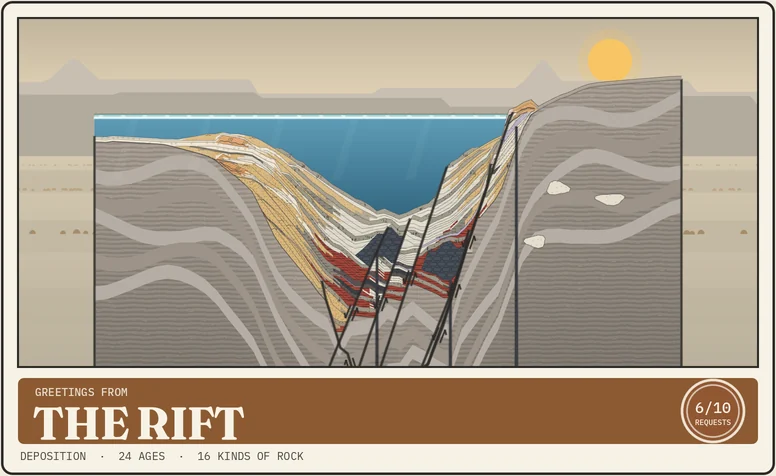
  • Postcard from The Rift

    No. 8 · Gneiss basement

    The Rift

    Where a continent tears apart

    East Africa is splitting in two. The rift floor drops between high mountains, lakes pool in its valleys, and a volcano erupts unique lava.
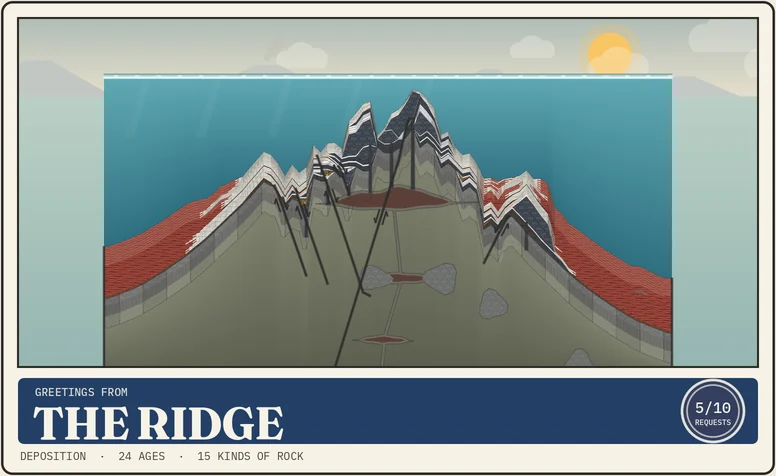
  • Postcard from The Ridge

    No. 9 · Basalt basement

    The Ridge

    Where new sea floor is born

    The Mid-Atlantic Ridge, where two plates pull apart and lava wells up between them. In Iceland the ridge rises out of the sea.
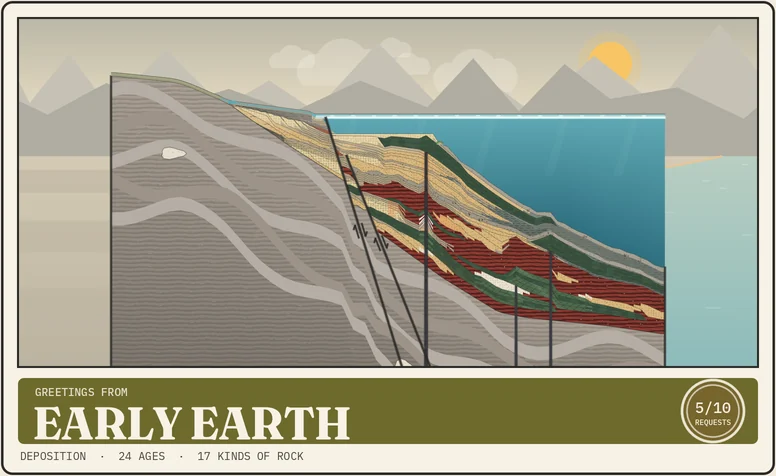
  • Postcard from Early Earth

    No. 10 · Gneiss basement

    Early Earth

    Before the air had oxygen

    2.5 billion years ago, under an orange sky with no oxygen in it. Mats of microbes in the shallows start producing a new byproduct, oxygen.
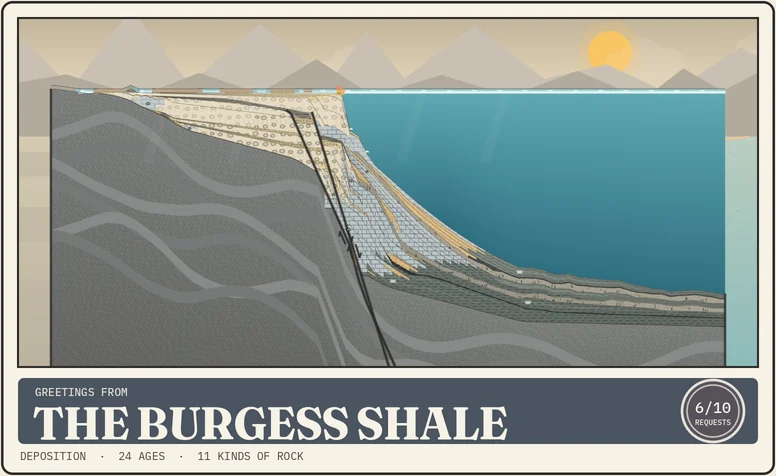
  • Postcard from The Burgess Shale

    No. 11 · Slate basement

    The Burgess Shale

    Where soft bodies turned to rock

    An undersea reef cliff in the Canadian Rockies, 508 million years ago. Mudflows buried strange animals so fast their soft parts were preserved.
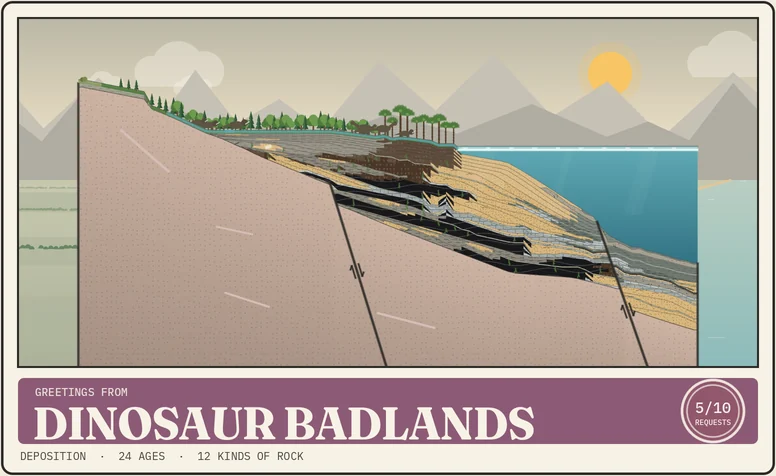
  • Postcard from Dinosaur Badlands

    No. 12 · Granite basement

    Dinosaur Badlands

    The last days of the dinosaurs

    Montana, 66 million years ago. Rivers wander over a wet plain by an inland sea and bury dinosaur bones. Something falls from the sky.
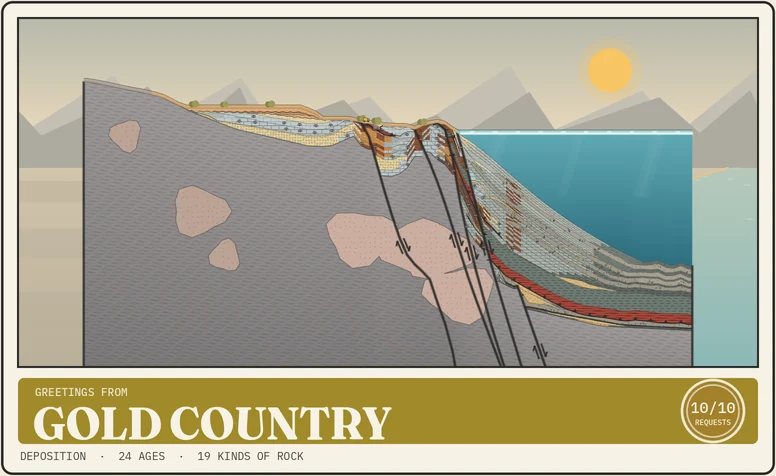
  • Postcard from Gold Country

    No. 13 · Schist basement

    Gold Country

    Tons of microscopic gold

    Northern Nevada's high desert. Hot water rising up faults left gold too fine to see in limestone sealed under old sea floor. Discovered in 1961.
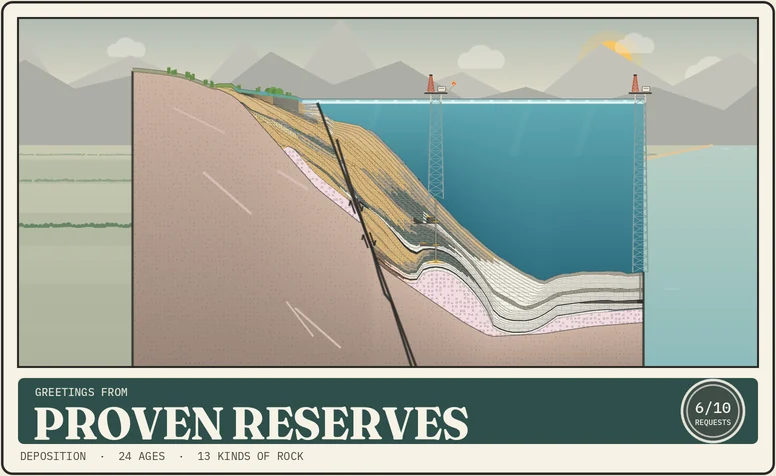
  • Postcard from Proven Reserves

    No. 14 · Granite basement

    Proven Reserves

    The right rocks make oil

    The North Sea basin, over a layer of old salt. Buried plankton-rich mud cooks into oil, which rises through sandstone until shale or salt traps it.
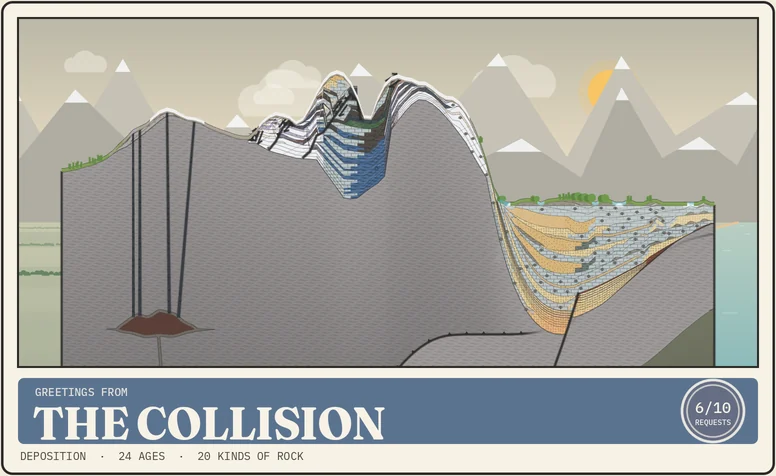
  • Postcard from The Collision

    No. 15 · Schist basement

    The Collision

    Where two continents meet

    India drives north into Asia. The ocean between them closes, the crust stacks up, and sea-floor limestone rises to the top of the world.

Collecting

Forty-seven rocks and eleven sedimentary structures to find, from ripple marks to blueschist. The full game brings it to seventy-one rocks and nineteen structures.

A polished slab of limestone with a fossil shell inside.

Rub the slab to polish it.

Specimens

Cut a hand sample from any layer and rub the dust away. Some hide a fossil shell, a geode or a selenite crystal. You can keep five from each map for your collection.
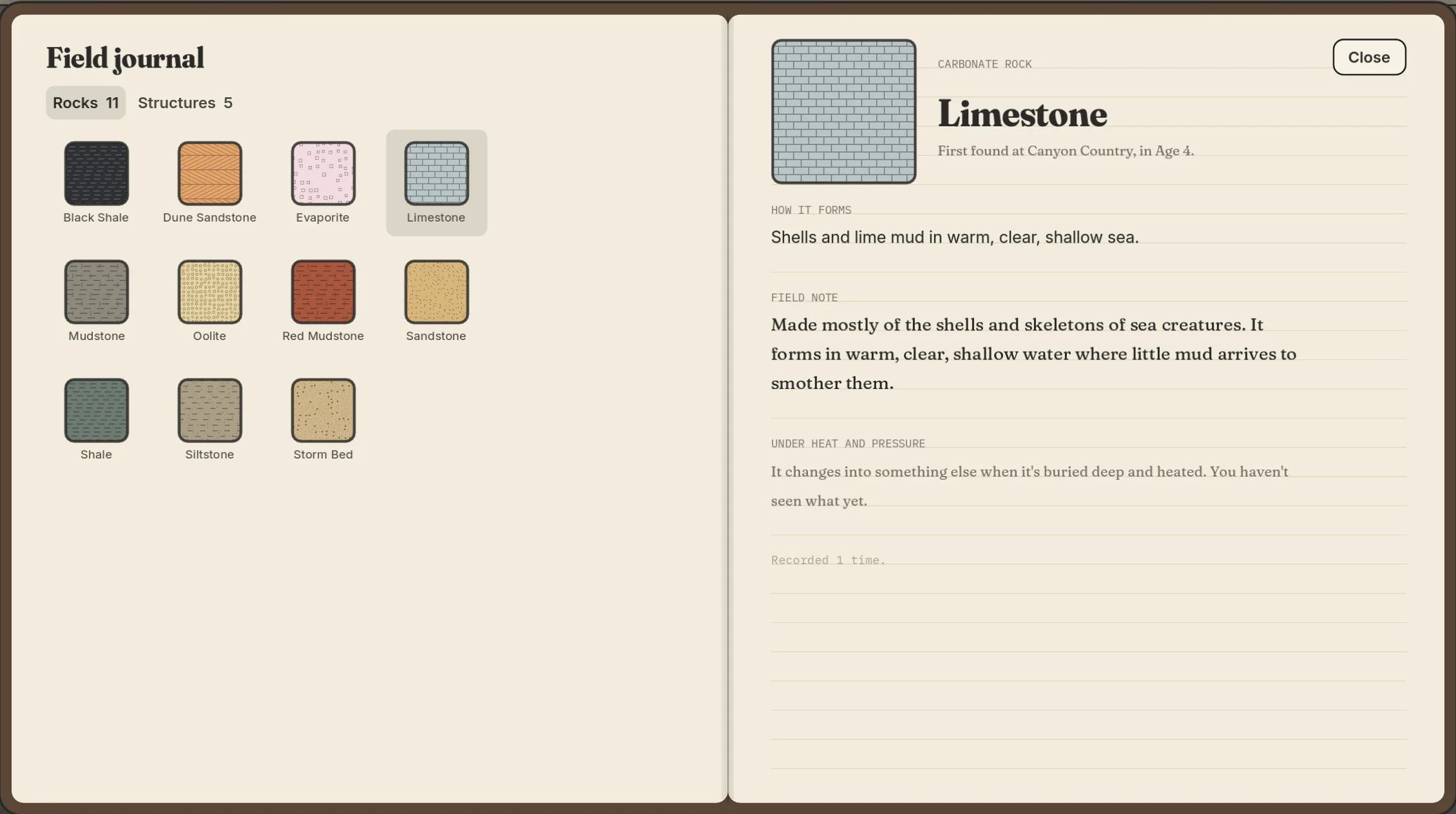
The field journal open at Limestone: how it forms, a field note, and a hint that it changes into something else when buried and heated.

The field journal

Every rock and structure you find gets a page in the journal. It explains how it forms, adds a field note, and records where you first found it.
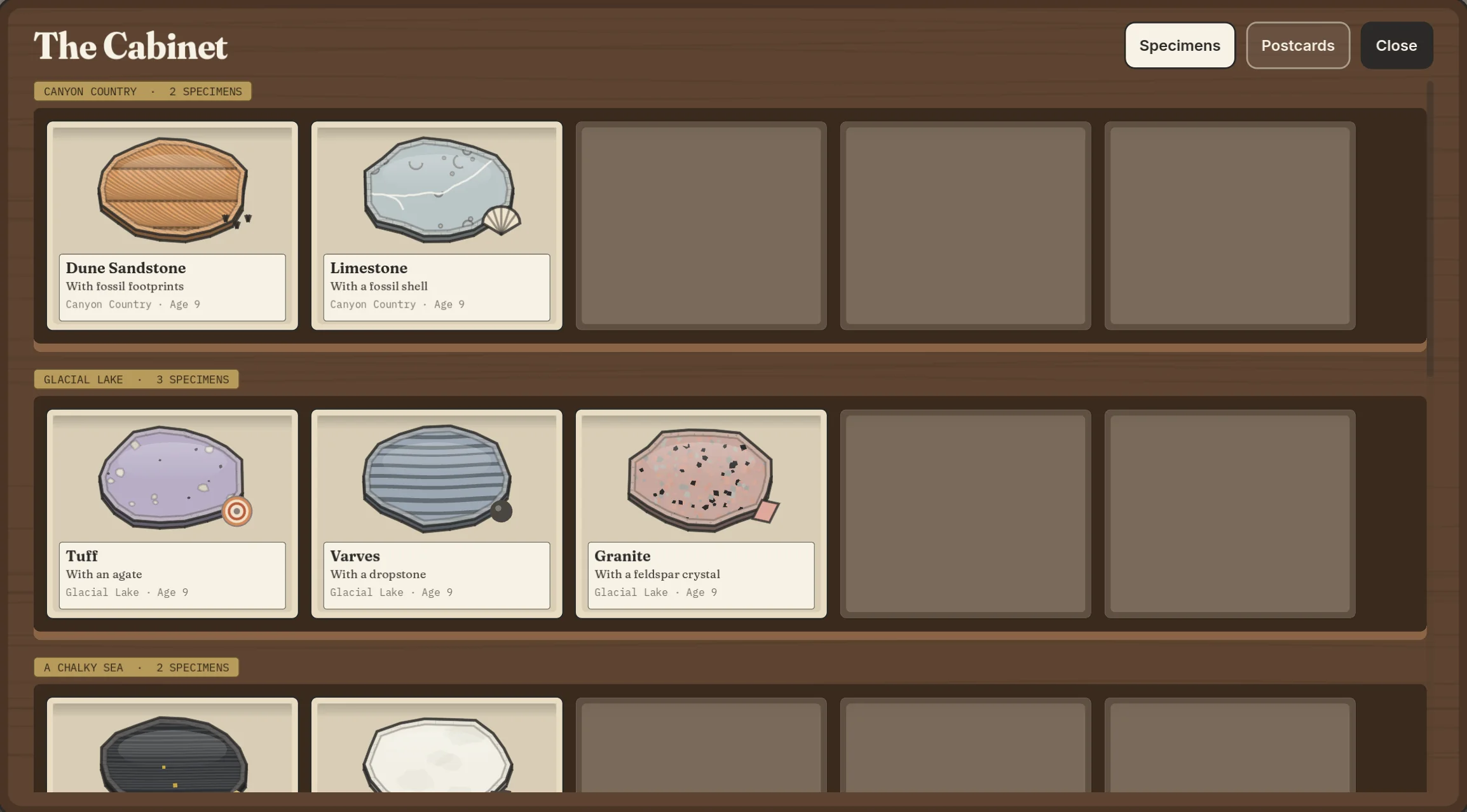
The cabinet: a shelf for each place, with polished specimens in trays, each labelled with its find, place and age.

The cabinet

Keep your specimens and postcards organized.

Vishnu Schist · about 1.7 billion years old

Coming soon

On Steam for macOS and Windows, and on the App Store and Google Play.